Nature Notes September 2026
Nature Notes
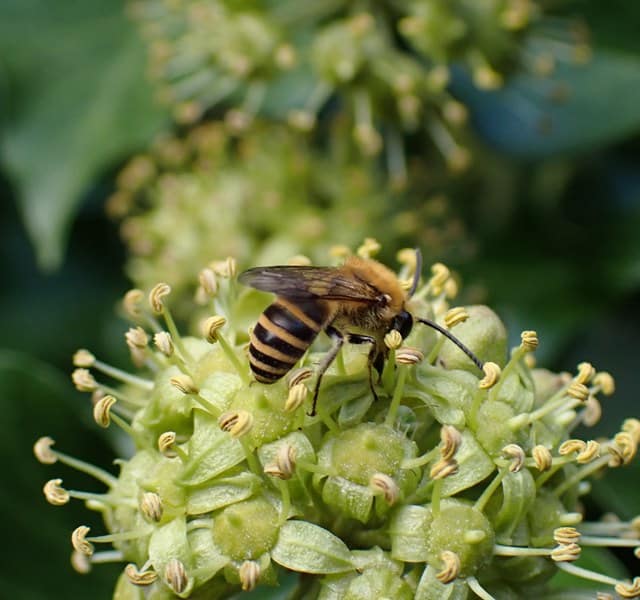
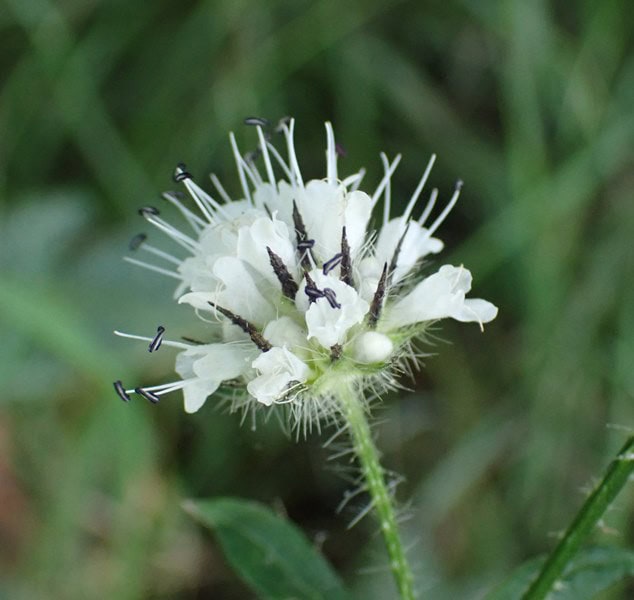
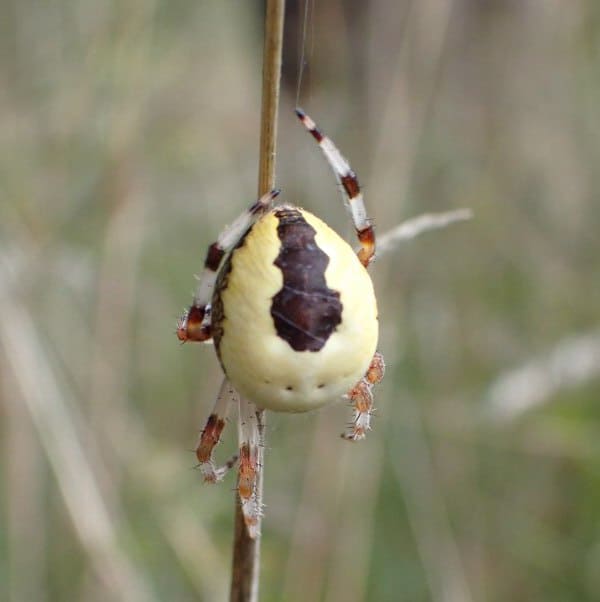
On a warm sunny afternoon at the end of August we enjoyed a slow potter around Whitwell Common. Pink and white Amphibious Bistort was having a second flowering following the recent rains, despite some of its leaves having turned their autumn yellow, and bright suns of Common Fleabane were woven through the grasses, but it was the smoky purplish haze of Devil’s-bit Scabious which dominated the open area. It is always late flowering, providing a vital source of nectar for butterflies and other insects after the summer’s bounty has mostly faded. In damper areas the paler pink Water Mint took up the baton and was also being visited by bees and a beautiful Painted Lady butterfly, there was even a Latticed Heath moth fluttering amongst the herbage. Oak trees support more species of insect than any other native tree and the small copse of oaks had Acorn Weevils; Green, Hairy and Red-legged Shieldbugs and a stunning spider: white with a dark brown pattern on the back and orange kneecaps! A bright Common Blue butterfly flew across the path as we approached the reedbeds and Swallows were hawking for flies overhead. A young Buzzard ‘mewed’ pitifully from the further woodland. On a reed stem we found a very small, orange, 24 Spot Ladybird. This is a wetland specialist which, unlike many ladybirds, is a vegetarian. As we approached the stream, the path was lined with head high Small Teasel plants. Unlike its larger cousin the Common Teasel, it likes to grow where there will be winter flooding, washing its seeds to new areas. Most of the delicate, round, white flowers had already set seed but a few remained within the shady woodland. Wending our way through the Alder Carr, we noticed that the first Ivy flowers were open in a sunny glade. Ivy is yet another plant that provides nectar and pollen to late flying insects and one species of bee is wholly dependent on it. Needless to say, it is called the Ivy Bee and is one of many insects which are expanding their range north due to the warming climate. There is even a small colony in the churchyard, mining very small holes in the bank behind one of the flower borders, which the females will stock with ivy pollen for their young before laying their eggs. They are small and do no harm to anyone or anything and we should be pleased that our churchyard provides a suitable niche habitat for a colony.
Do let me know if you see any interesting wildlife (rachel.42rr@btinternet.com)