Nature Notes August 2026
Nature Notes
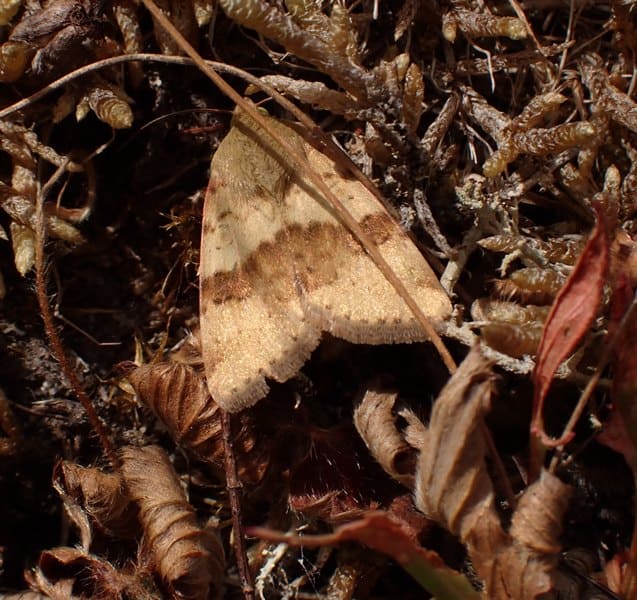
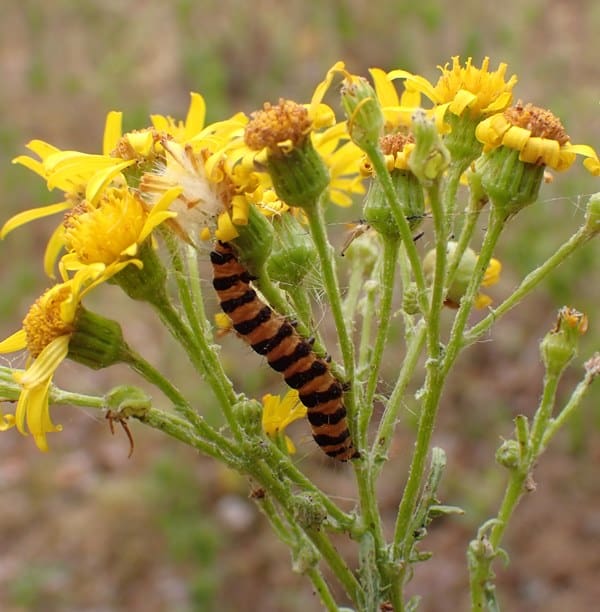
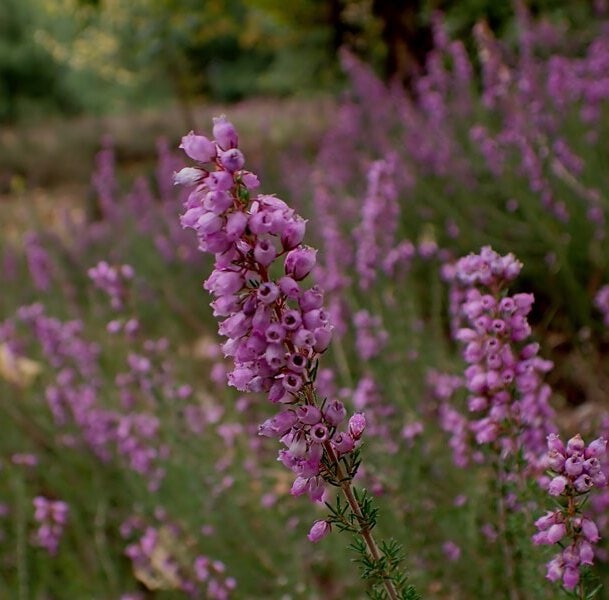
Cawston Heath has three distinct habitats: the grassy, heath restoration area; the old heather-heath with scattered pine trees, and the woodland and high, sandy, lichen-heath. A visit to the latter almost always turns up something of interest. In late July, between heatwaves we walked up through the woodland, where Birch trees were dropping their leaves, in an attempt to conserve moisture. As we came out into the open we could see the effect the drought was having on the already sparse vegetation: mosses had browned to a crisp, lichens were bleached and crunchy underfoot, even the Bell Heather was looking unwell in places. Fortunately some plants, those with deep roots, were able to survive and were still flowering. Bell Heather which had some shade during the day was flowering profusely, its lilac-pink bells attracting bumblebees and other insects. A few flowers of yellow Agrimony and Ragwort stood out against the dun-coloured background. One Ragwort plant had the black and yellow caterpillar of a Cinnabar Moth entwined among its flowers. The black and yellow colouring is a signal to potential predators that it contains toxins absorbed from the plant and is therefore poisonous. A Blackthorn bush, whose leaves were turning pale yellow, was laden with sloes which appeared a vivid blue in the bright sunshine. Grasshoppers leapt away from our feet in waves and Bog Bush Crickets were calling vigorously from the heather, when we disturbed a yellowish looking moth which dashed away. Day flying moths are usually identifiable, if you can get a good look at them, so we followed it for several minutes before it finally settled on the ground and we were able to take its photograph. The yellow-ochre upper wings were lightly patterned with brown, while the underwings had a distinctive black band. On checking the books at home, we were able to confirm that it was a Marbled Clover, a rare moth confined mainly to the brecklands of East Anglia, where we had seen it just twice. Cawston Heath was a new county site. Even a small patch of wildness can turn up rarities.
Muriel reported having had at least a dozen Painted Lady butterflies resting on her driveway early in July, and Hummingbird Hawkmoths have been seen in gardens and the churchyard. A hoverfly with patterning which mimics a Hornet landed on the string of the churchyard conservation area, as I was taking it down this morning: Volucella zonaria, another new record for the churchyard.
Do let me know if you see any interesting wildlife (rachel.42rr@btinternet.com)