Nature Notes June 2026
Nature Notes
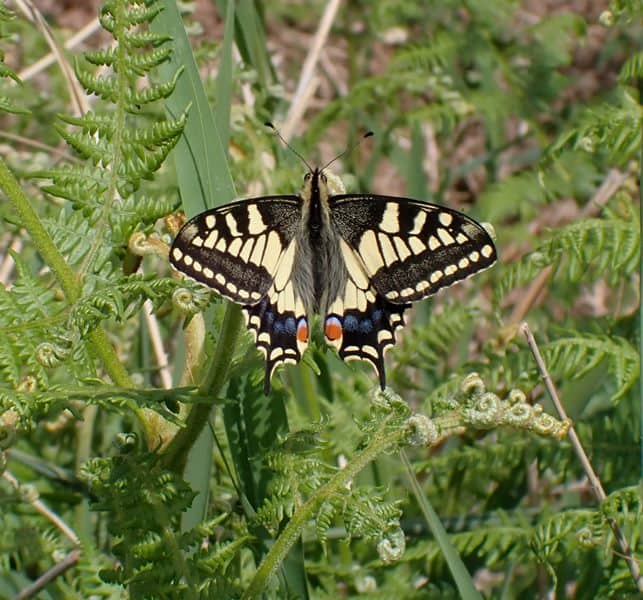
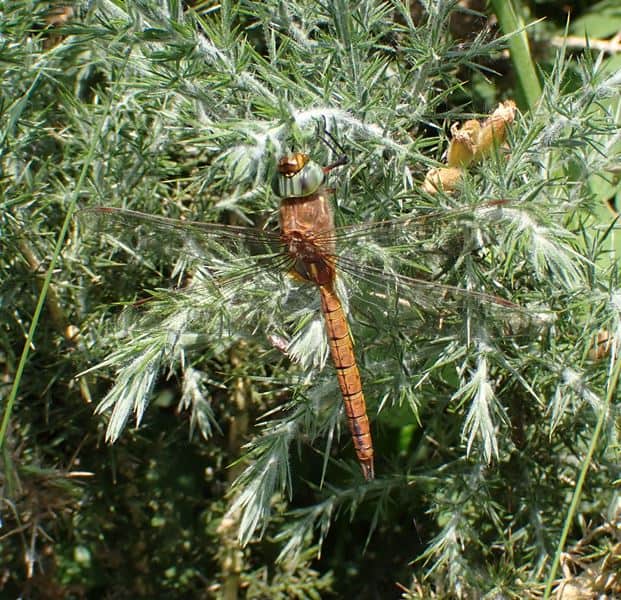
Following the very hot week at the end of May, butterflies were at last on the wing in good numbers, so we decided it was time for a visit to Hickling. Parking in the shade, as it was still very warm, we were pleased to hear the gentle cadence of Willow Warbler song as we got out of the car. Setting off through the trees, we watched a Great Spotted Woodpecker feeding a recently fledged youngster clinging to a tree trunk just above ground level. Blackcaps, Whitethroats and Song Thrushes were all singing, a sure sign that they were embarking on a second cycle of nesting, hopefully having successfully reared a first brood. Even though it was still May, the Honeysuckle and more importantly, Brambles were in flower, attracting a wealth of insects. In the wooded area, these were mainly blue damselflies, maturing before returning to the dykes and ponds to breed. In the open, there were an amazing numbers of Painted Lady butterflies, all nectaring on the bramble flowers. We later learnt that they had arrived en-mass the day before! The wind had been south -east which had hastened their flight from the continent. We were also delighted to see the occasional Small Tortoiseshell, which has become such a rarity in our county. The Norfolk specialities however were doing well. Norfolk Hawker dragonflies were patrolling the pathways watching for smaller insects with their big green eyes. They are the top insect predator here but have to be alert to danger, as we watched a small falcon, a Hobby, snatching dragonflies from the air and devouring them on the wing. The other Broadland specialist, the Swallowtail butterfly was also very much in evidence, swooping over our heads on strong yellow and black wings, as big as a bat. They also were drawn to brambles for sustenance, where we could see the exotic red and blue markings on the lower wings, but were very flighty if anyone got too close, so it was best to just watch and enjoy their exuberant flight. Occasionally they would power away over the reed beds, in search of Milk Parsley, which is their caterpillar food plant. Improvements at Hickling, raising the water level has obviously improved conditions for this vital plant, as we had never seen as many Swallowtails in one day.
Do let me know if you see any interesting wildlife. Rachel rachel.42rr@btinternet.com